

Breaking The Male Gaze
May 5, 2014
From Hashtags To Headlines
May 7, 2014
Delhi Needs Redevelopment, Not Band-Aid
Senior Journalist with two decades of rich experience, Manish Anand, is the author of ‘The Enabler Narendra Modi, Breaking Stereo Types’. He is also the editor of the e-journal ‘The Rising Hills’ & has hosted numerous talks on AIR on Foreign Affairs.
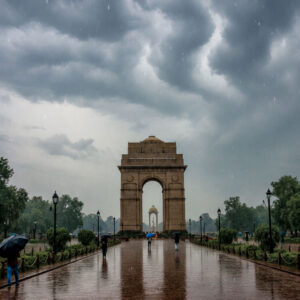
Delhi still awaits change for the better as months fly by after the formation of a new government under the leadership of Chief Minister Rekha Gupta.
The Monsoon fury exposed the national capital, with areas inundated by flood and rain waters. For decades, Delhi refuses to believe that the city infrastructure is crumbling under the weight of the carrying capacity of its population.
On the watch of Gupta, the local administration carried out demolition drives in a number of slum clusters. The Madarsi Camp was demolished on the pretext that a Mughal era drain had been encroached upon. Other slum clusters had also been demolished.
“The land recovered from the demolition of slum clusters can be utilized for the purposes of laying down the drains.”
Yet the situation remains the same. The status quo prevails.
Delhi’s inundation with rainwater is now a recurrent phenomenon. Drains of Delhi are of heritage pedigree, of times of the Mughal and the British eras.
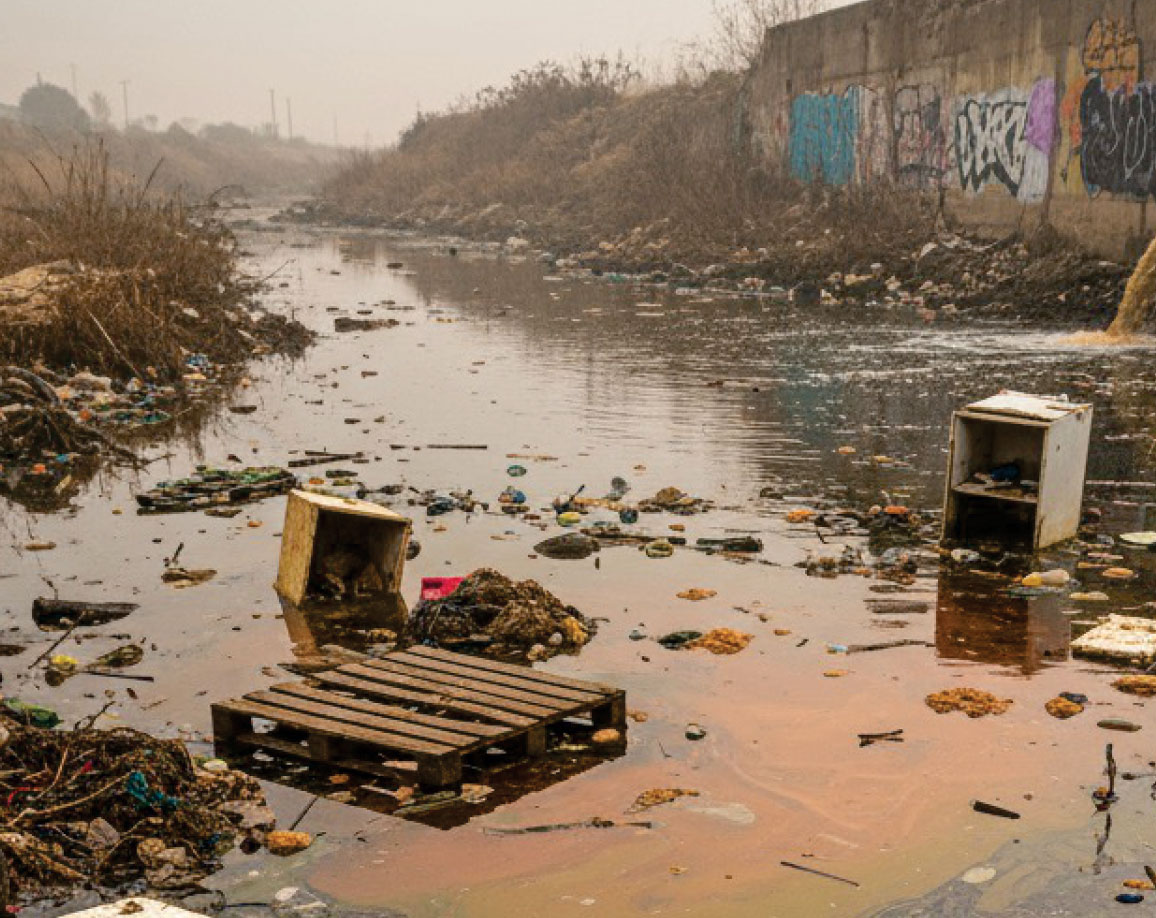
The municipal capabilities also remain under scrutiny. Inability to de-silt drains is a phenomenon repeating for several decades. The lack of solid waste management has driven Delhi eyesore in the form of landfill sites in border areas.
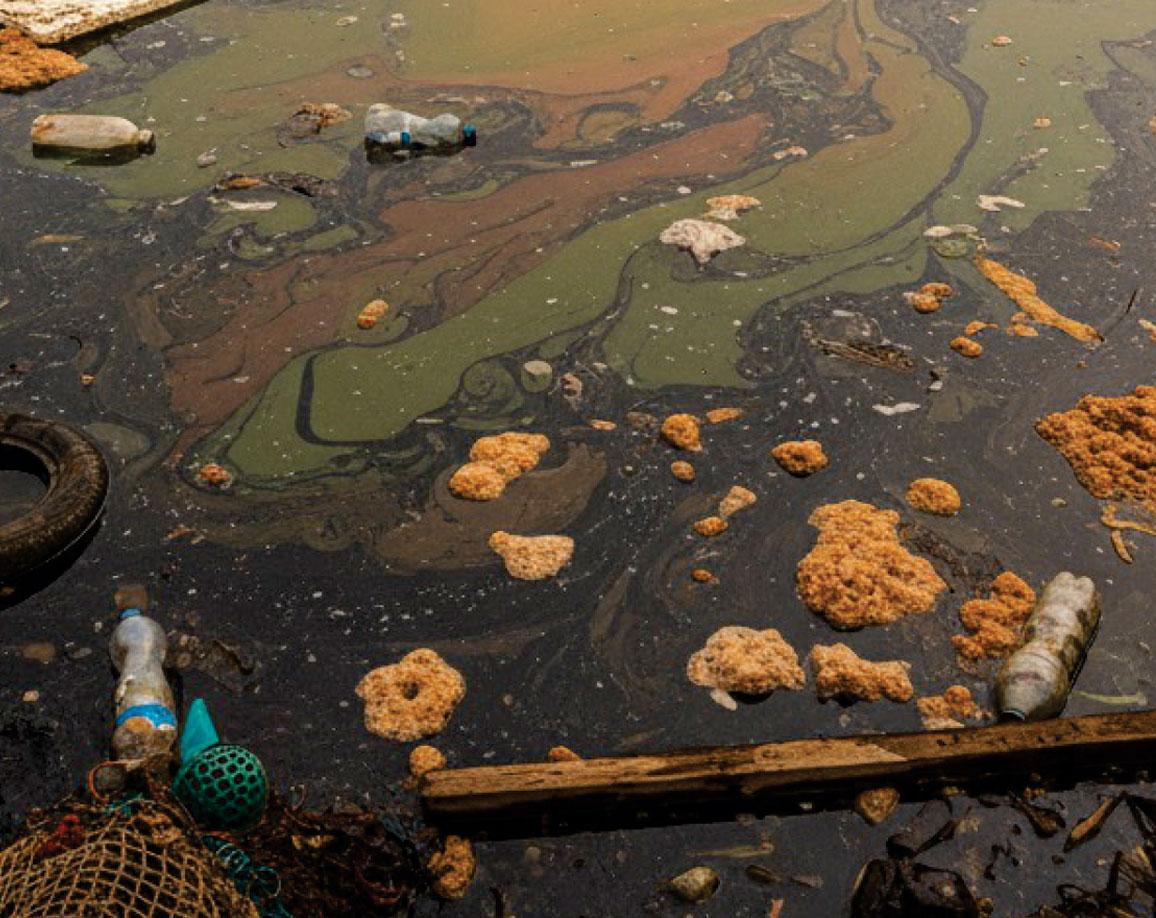
The people complaining of contaminated waters in their taps in the households is also a recurring theme. Add to that the annual feature of months-long pollution. Not just the children and the elders, but even the youngsters are complaining of ailments that are borne out of civic apathy.
The mounting civic issues speak of an urgent need for an overhaul of the city. The British era drains have served their purposes. The population of the city now cannot be serviced through drains of the past. Delhi needs a new grid of drains, which can support the city infrastructure for the next century.
The focus of the government currently remains on building roads. Delhi has seen road push in the last decade. But the city administration may now put together resources to plan and lay down a city grid of drains. Delhi can take a leaf out of the planning of Greater Noida in laying down drains. The land recovered from the demolition of slum clusters can be utilized for the purposes of laying down the drains.
Delhi’s population must be approaching three crores now or the number could be more. The Census 2021, delayed for four years now, could have given the true strength of Delhi’s populations. But it’s being stated that the population is already more than three crores. The population load on Delhi has not lessened despite the development of satellite townships in Ghaziabad, Noida, Faridabad, and Gurgaon.
Expanding population will have consequential impact on the generation of solid waste. The garbage mountains will continue to pose challenges. It is incumbent upon the municipal authorities in Delhi to replicate the successes of Indore and Surat in eliminating the garbage mountains.
A mission-mode action plan for segregation of the solid waste at the households’ levels, and decentralization of their processing so that no Dhalau exists in the national capital must be planned. This is doable if there is a will. Also, a political will be incumbent to achieve the success.
About 15 years ago, Tajinder Khanna, Delhi lieutenant governor when Sheila Dikshit was the Chief Minister, had guided a Yamuna action plan for the rejuvenation of the dead river in the national capital. The plan envisaged physical removal of the solid waste from the riverbed. Also, a perennial flow of waters was thought about through building of a dam in Himachal Pradesh.
The climate change is subjecting the northern areas to unprecedented rains. It may be incumbent upon the city administrator to begin working on the Khanna plan. Build a dam in Haryana, if not in Himachal Pradesh for environmental reasons. This could help secure the potable water needs of the people in Delhi, as well as rejuvenate the Yamuna River. Also, it will be crucial that the Yamuna riverbed be freed from all sorts of encroachments.
“The land recovered from the demolition of slum clusters can be utilized for the purposes of laying down the drains.”
“A mission-mode action plan for segregation of the solid waste at the households’ levels, and decentralization of their processing so that no Dhalau exists in the national capital must be planned. This is doable if there is a will”
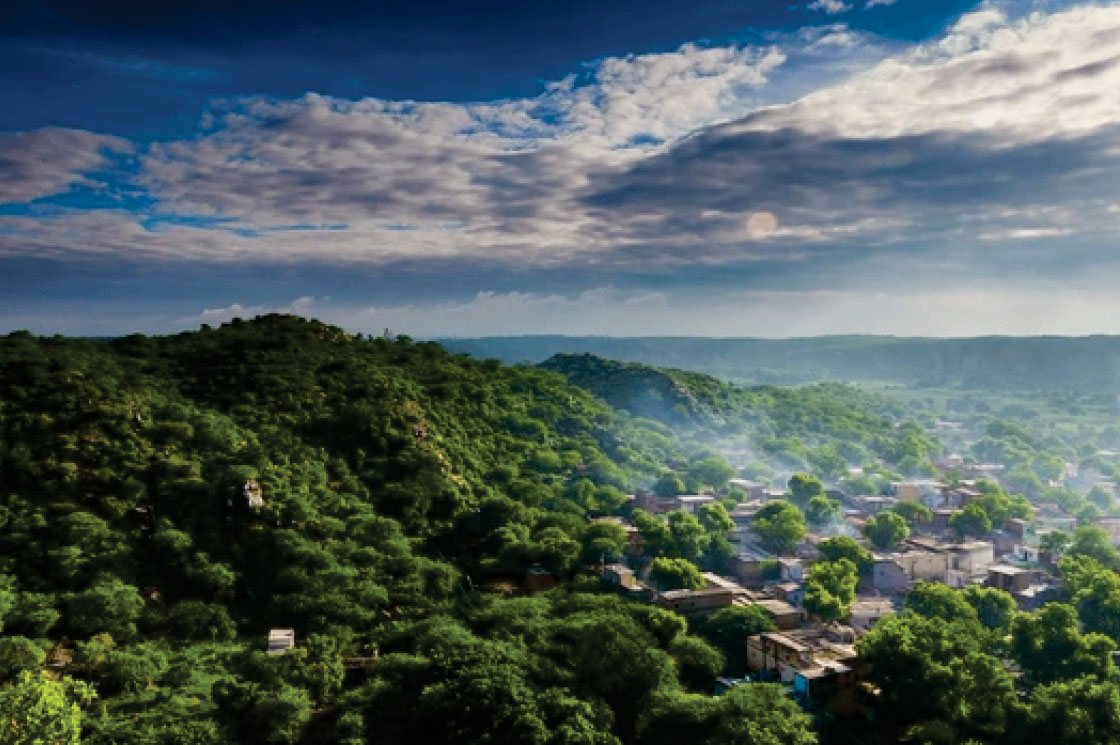
The degradation of the Aravali range has exposed Delhi to pollution originating from the neighbouring states. Delhi’s topography is such that the air pollution gets trapped in the landscape of the national capital. Solution lies in a coordinated action plan involving the affected states. The beginning could be made by restoring the Aravali range to its past strength.
The efforts with compensatory afforestation in the Aravali range have not paid enough results. This warrants a relook to bring in time-bound serious approaches.
Indeed, the people must be empowered and made stakeholders in the redevelopment plan of Delhi. The people should be equal partners. With the people taken onboard, the funds earmarked and the political will committed, Delhi can surely embark on a journey of rejuvenation.