

Loneliness and Mental Health Challenges Among Senior Citizens in India: A Growing Concern
May 11, 2014
6th October World Cerebral Palsy Day Special
February 20, 2026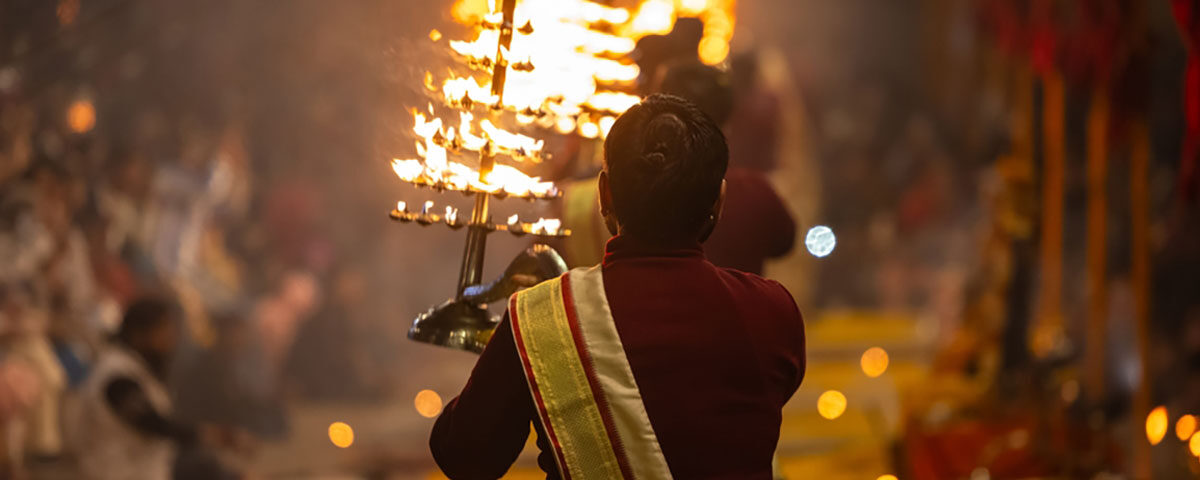
An Expanding Journey of Faith, Culture, and Economy
Spiritual tourism in India is a profound blend of faith, culture, and economic activity. It refers to travel driven by spiritual motives — whether to Hindu tirthas, Sikh gurudwaras, Christian churches, Buddhist shrines, or Sufi dargahs. India’s diverse religious heritage positions it uniquely as one of the world’s most significant spiritual travel destinations.
Growth and Scale
The Ministry of Tourism data highlights the explosive growth of religious and spiritual tourism in India. Between 2021 and 2022, the number of people engaging in pilgrimage and spiritual travel more than doubled — from 677 million to 1,439 million domestic spiritual travellers in 2022. Foreign visits to religious sites also rose from 1.05 million to 6.64 million in the same period.
India Brand Equity Foundation +1
This dramatic increase reflects not just population growth but renewed interest in spiritual experiences post-COVID-19, where travellers increasingly seek meaning, wellness, and inner transformation alongside traditional pilgrimage. More than 60% of all domestic travel in India is now linked to religious or spiritual tourism, underscoring its dominance in the tourism sector.
The Times of India
Economic Impact
Spiritual tourism generates substantial economic value. In 2022, revenue from this sector reached US$ 16.2 billion (approx. ₹1.34 lakh crore), nearly doubling from the US$ 7.9 billion earned in 2021.
India Brand Equity Foundation
This revenue boosts multiple sectors — hotels, local transport, food services, hotels near pilgrimage sites, craft markets, and guides — contributing to rural and urban economies. Looking ahead, projections indicate the industry could be worth around US$ 59 billion by 2028 and support over 100 million jobs through direct and indirect employment by 2030.
India Brand Equity Foundation
Key Destinations and Trends
India boasts a multitude of spiritual hotspots:
Varanasi (Kashi): A timeless centre of Hindu spirituality, Varanasi recorded a record 7.26 crore tourists in 2025, underscoring its global appeal.
The Economic Times
Maha Kumbh Mela (Prayagraj): The 2025 event was one of the largest religious gatherings ever, drawing tens of millions of pilgrims over several weeks.
Reuters
Tier-2 and Tier-3 Pilgrim Centres: Smaller cities such as Ayodhya, Ujjain, and Badrinath have seen search interest grow by 585%, 359%, and 343% respectively, reflecting rising digital demand for spiritual journeys beyond traditional hubs.
ETTravelWorld.com
South India: Destinations like Tirupati, Madurai, Rameswaram, and Velankanni have experienced growth in bus travel and pilgrim visits, indicating broader regional participation in spiritual tourism.
The Times of India
Data also shows that spiritual tourism isn’t limited to typical temple towns. Cities with historical Sufi shrines, gurudwaras such as the Golden Temple in Amritsar, Buddhist circuits like Bodh Gaya, and even emerging ashram-based mindfulness retreats are attracting diverse travellers.
The Times of India
Government Initiatives
The PRASAD (Pilgrimage Rejuvenation and Spiritual Augmentation Drive) scheme aims to upgrade infrastructure at key pilgrimage sites. Under this initiative, over 40 sacred sites across states are being developed with better accessibility, amenities, and preservation of cultural heritage.
Editorji
States are also investing significantly in tourism infrastructure. For example, Uttar Pradesh allocated over ₹1,283 crore to develop ghats, ghats beautification, heritage sites, and tourist circuits, contributing to its position as India’s most visited state in 2025.
The Times of India
Shifts in Traveller Behaviour
Post-pandemic, travellers increasingly look for experiences that combine spirituality with wellness — such as meditation retreats, yoga stays, mindful travel, and silent retreats. Some industry reports indicate that nearly 70% of Indian travellers expressed interest in spiritual stays including wellness elements.
Hotelier India
Younger travellers also form a growing segment: in Varanasi’s 2025 visitor statistics, about 80% of tourists were youth, highlighting changing demographics in spiritual tourism.
Indiatimes
Challenges and Opportunities
Despite its success, spiritual tourism faces challenges such as infrastructure strain during mega-events, environmental pressures, and the need for sustainable crowd management. There is also an opportunity to enhance promotion of lesser-known spiritual sites and integrate them into broader tourism circuits.
Conclusion
Spiritual tourism in India is not only about visiting sacred sites; it’s a transformative economic and cultural movement. Fueled by deep-rooted traditions, large pilgrim populations, government initiatives, and evolving traveller preferences, this sector stands as a cornerstone of India’s tourism landscape, shaping both domestic travel and international perceptions of India as a global spiritual destination.